
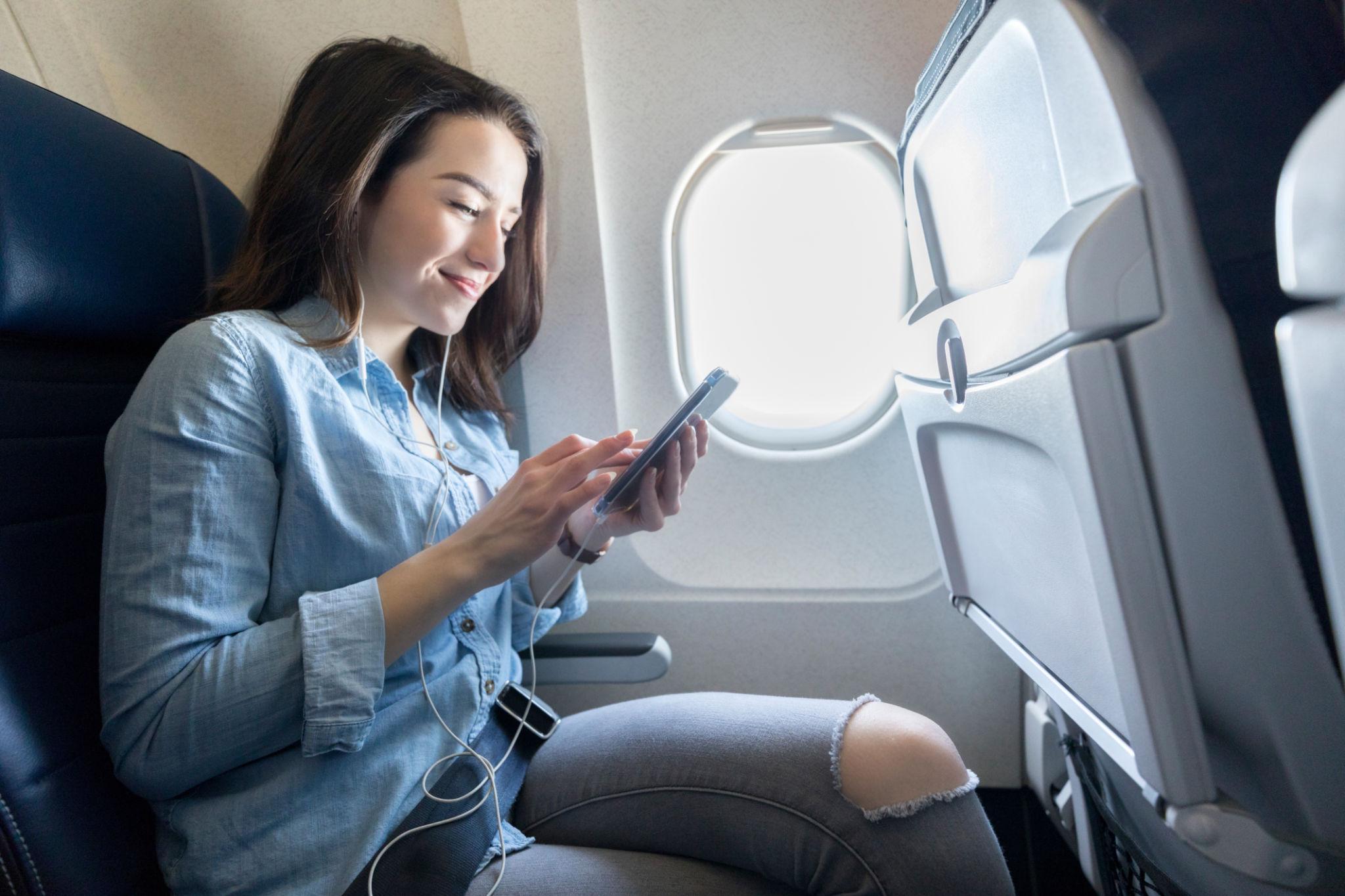
For passengers, in-flight Wi-Fi usually means the ability to access the internet. However, in modern aviation, wireless networks serve two distinct purposes: providing connectivity between the aircraft and the outside world, or offering access to movies, music, and services pre-loaded onto an onboard server.
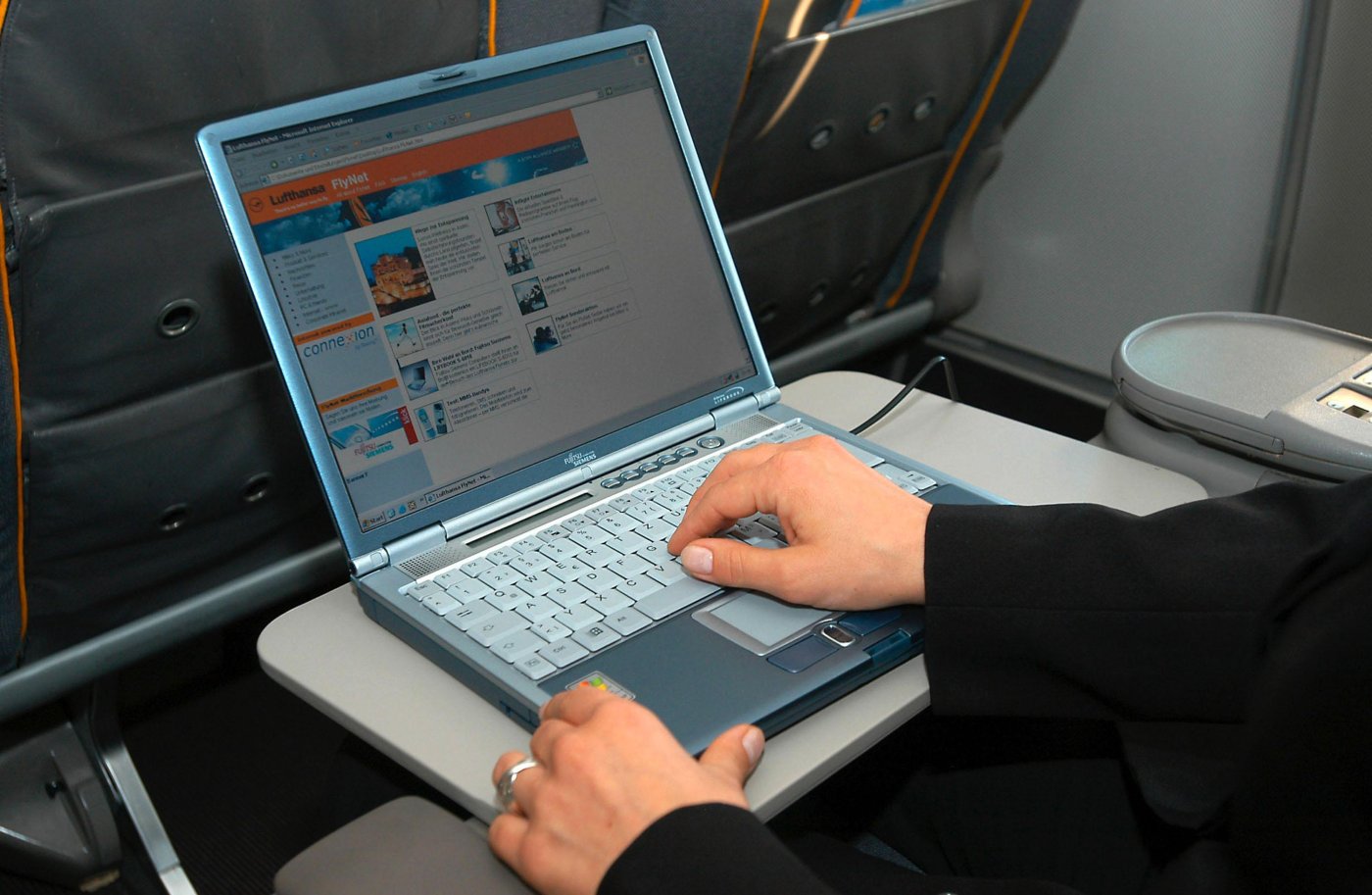
A significant milestone in the development of in-flight internet was Lufthansa flight LH 452 from Munich to Los Angeles on May 17, 2004. Passengers gained access to high-speed internet via the Connexion by Boeing service and the FlyNet portal. Onboard, they could check emails, browse websites, and connect to corporate networks via VPN. Full access for the entire flight cost $29.95.
The American market took a different path. In August 2008, American Airlines launched Aircell's Gogo service on its Boeing 767-200 aircraft. Instead of satellites, it used air-to-ground (ATG) technology: an antenna on the aircraft transmitted a signal to ground stations. Internet became available after reaching an altitude of 10,000 feet, and a session on flights longer than three hours cost $12.95.
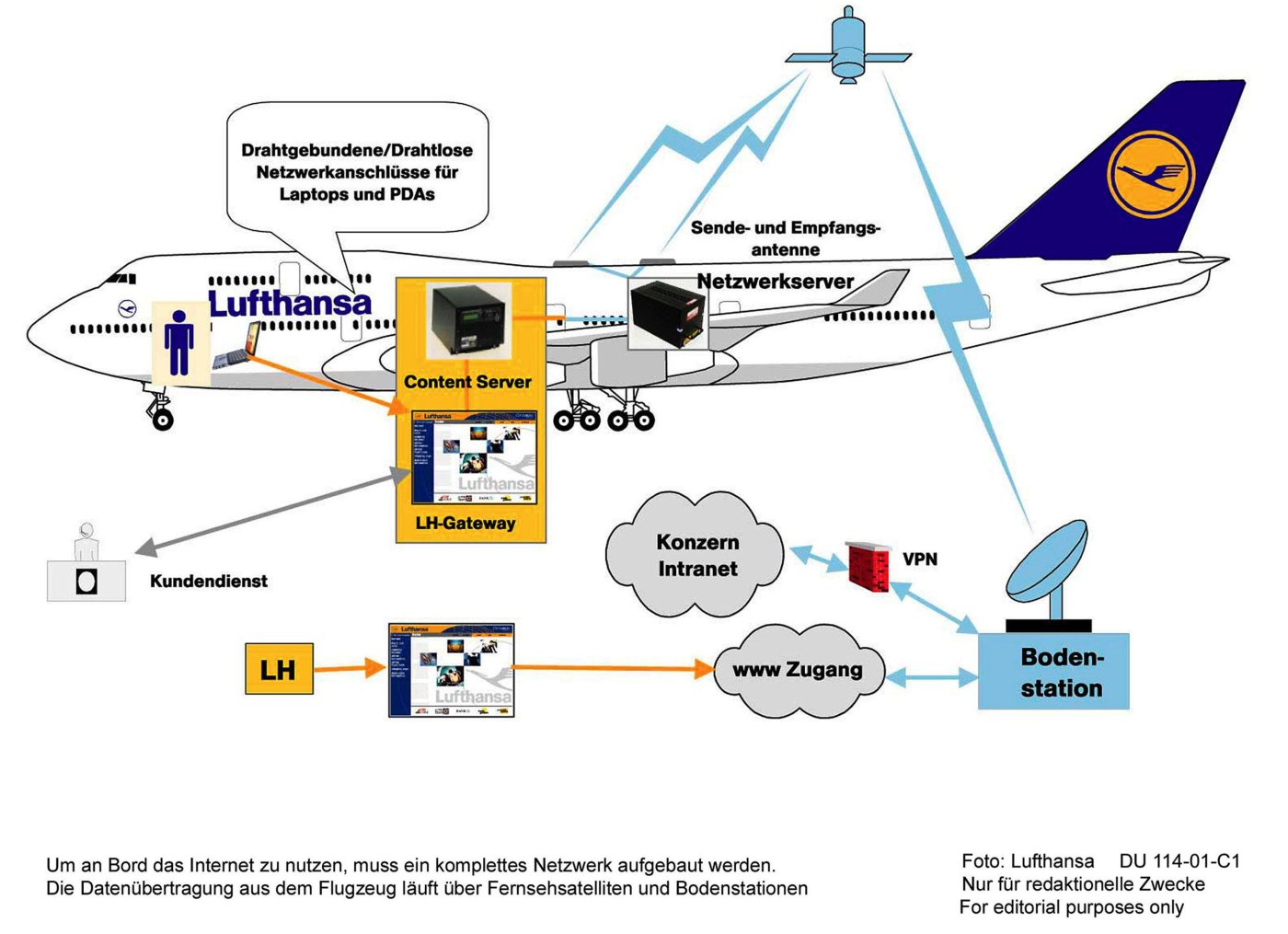
The two technologies had different advantages. The ATG system was cheaper and well-suited for routes over areas with a dense network of ground stations. Satellite communication allowed for connectivity over oceans and remote areas where ground infrastructure was absent. Today, airlines are increasingly focusing on next-generation satellite solutions: for example, Lufthansa Group plans to equip approximately 850 aircraft with high-speed Starlink internet.
However, in-flight internet is only one part of the digital service for passengers. The other is IFE, or in-flight entertainment. Its history began long before Wi-Fi: regular movie screenings on commercial flights appeared as early as the 1960s, and personal seat-back screens in the late 1980s.
Such built-in systems are still common on long-haul aircraft: passengers get a screen, flight map, movies, music, and games right at their seat. However, this equipment increases installation and maintenance costs, as well as cabin weight.
Wireless IFE systems became an alternative. In 2011, Lufthansa Systems introduced BoardConnect – a solution where passengers could watch content on their own devices via the aircraft's internal Wi-Fi network. A key difference of this model is that an external internet connection is not necessary to watch a movie: the catalog is stored on a server inside the aircraft, and the passenger's smartphone or tablet is used as a personal screen.
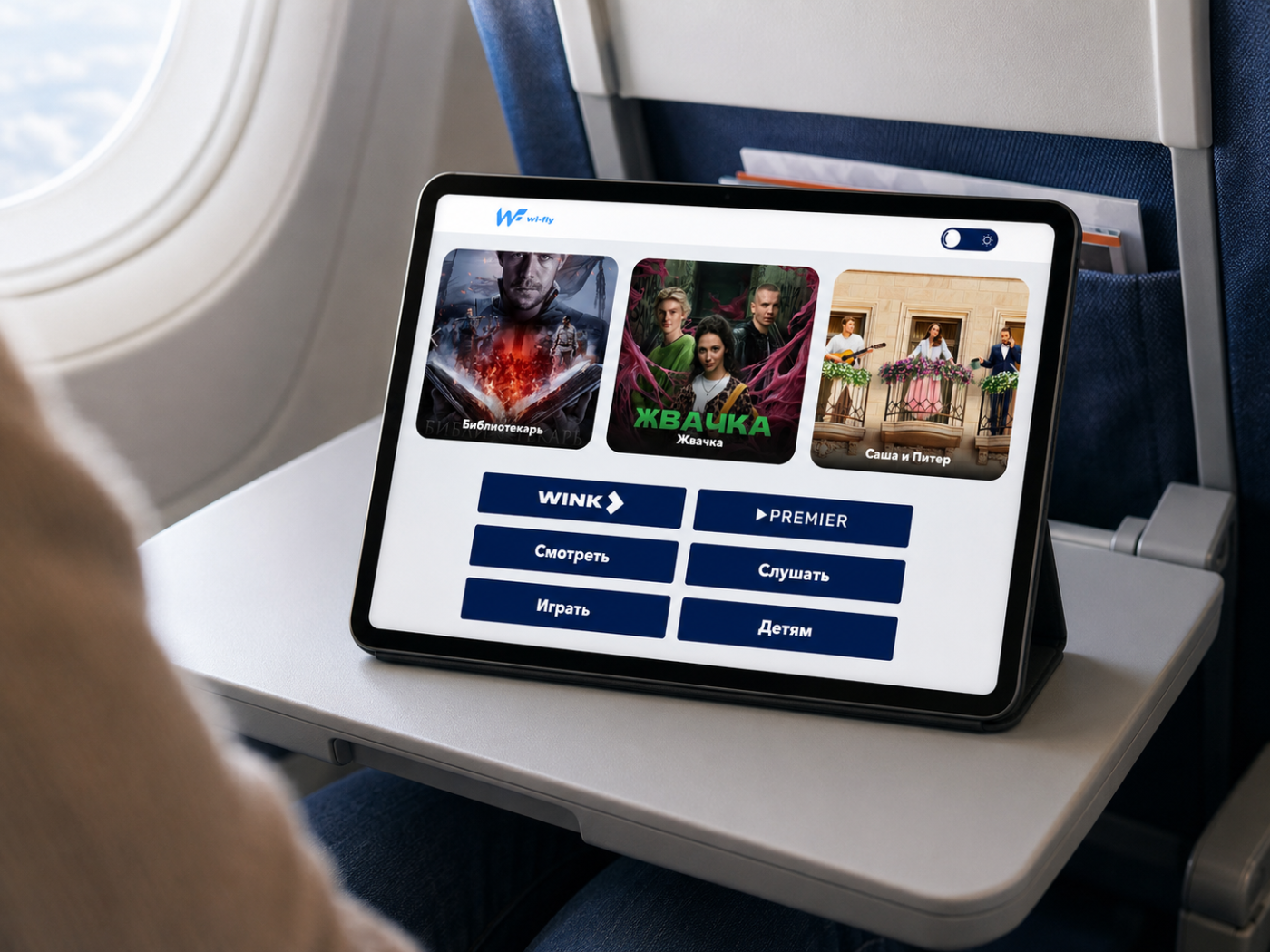
This principle allows for the deployment of media services even where full satellite internet is not economically viable or technically provided. Passengers connect to the onboard network, open a portal, and gain access to movies, TV series, music, games, children's content, and flight information.
One example of modern wireless IFE platforms is Wi-Fly. The service provides passengers with access to over 200 content items, including movies and TV series from Russian online cinemas Okko, Premier, and Wink, music selections, magazines, documentary projects, and children's programs. All content is available via the internal Wi-Fi network on partner airlines' flights without the need for a global internet connection.
Experts note that the development of next-generation satellite technologies, including low-Earth orbit satellite constellations, will significantly increase the speed and quality of onboard connectivity in the coming years. This opens up new opportunities for both internet access and the development of multimedia services during flights.