
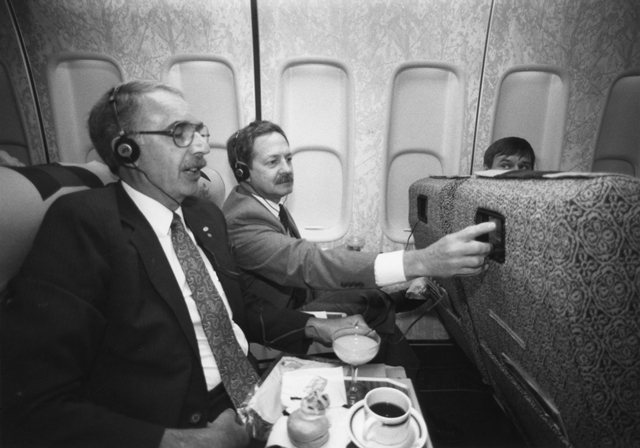
The ability to watch movies during a flight once seemed like a true marvel. However, the technological breakthrough of the 1980s changed not only the entertainment industry but also the very approach to air travel. Shared screens were replaced by personal devices, and with them came the freedom of choice.
In 1988, Northwest Airlines was the first to introduce an individual in-flight entertainment system. Liquid crystal displays, about three inches diagonally—roughly four times smaller than a modern smartphone screen—were installed in the seatbacks of 119 Boeing 747s. Passengers could choose one of six channels using a personal video player.
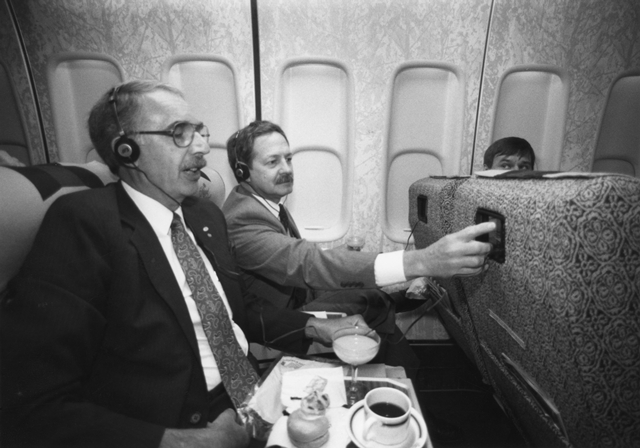
Despite its modest capabilities, the novelty delighted passengers. The system's developer, Airvision, gradually began replacing traditional overhead televisions with personal screens in wide-body aircraft.
In the same year, British Airways equipped its Boeing 747s for economy class with 126 four-inch displays. Soon after, video players on special brackets appeared in first class, and passengers were offered a choice of 50 films on cassettes.
Two main systems were used in the market. The first, from FieldTech, included Toshiba displays and Kodak Video8 format VCRs. The second, developed by Avicom, used NEC screens and Sanyo VCRs.
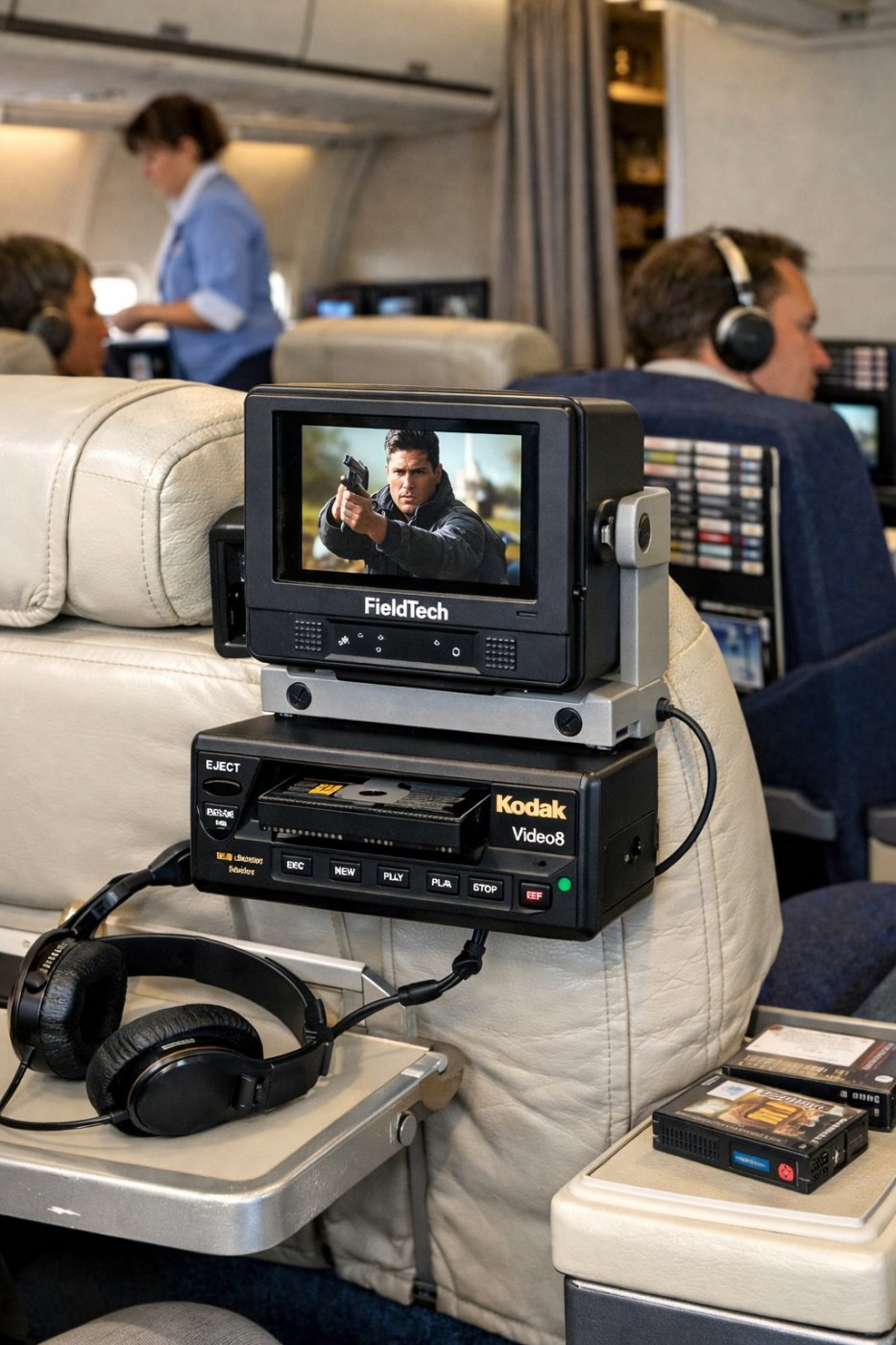
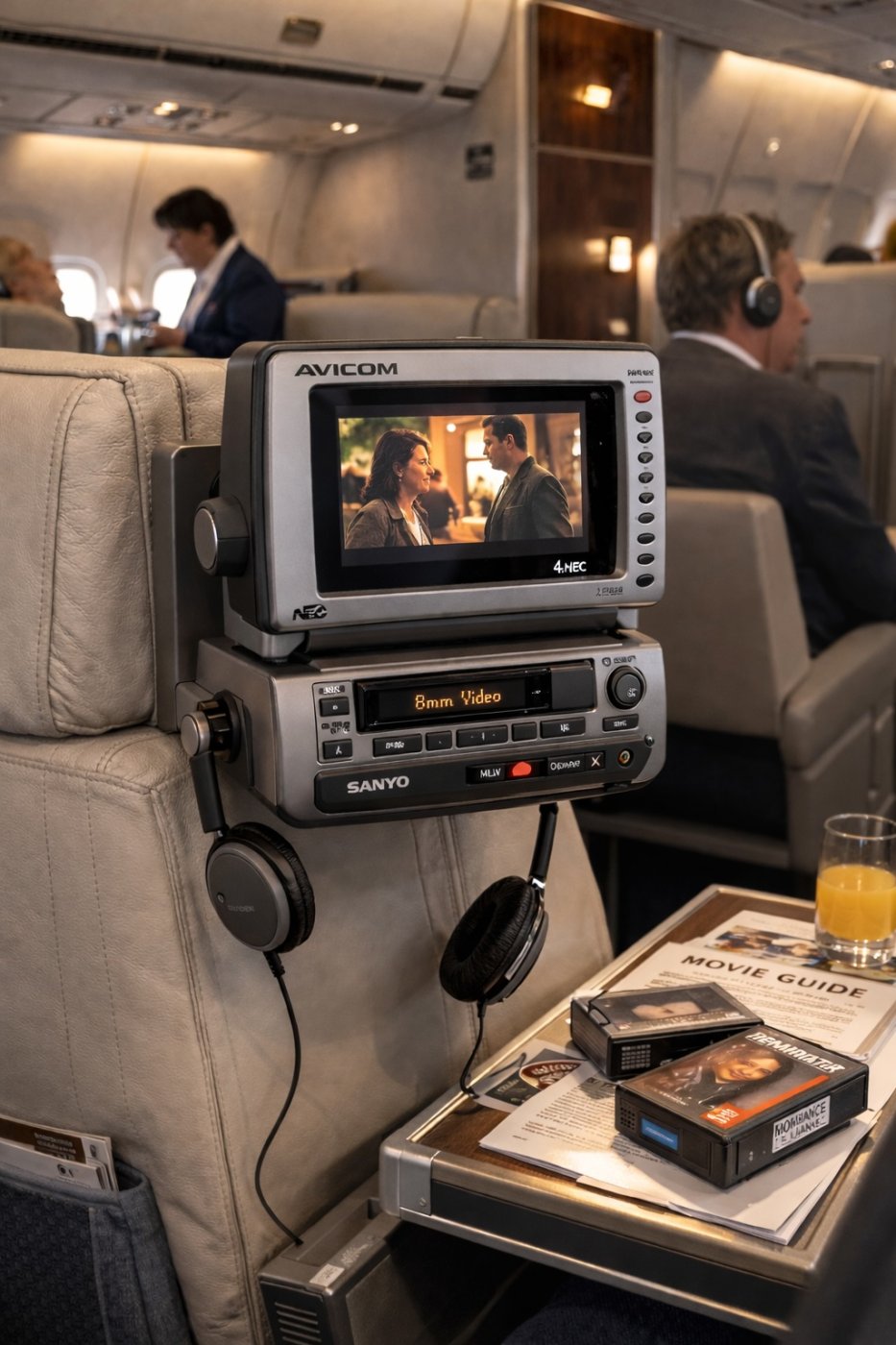
In parallel, Virgin Atlantic and Japan Airlines began providing first and business class passengers with portable Sony Video Walkman GV-8 and Sony Video Walkman GV-9 players. These devices allowed them to watch movies from their own cassettes or purchase them directly at the airport.
This solution had its controversial aspects. Passengers could bring any content, which raised questions about its appropriateness for those around them. However, in economy class, most still watched one movie together.
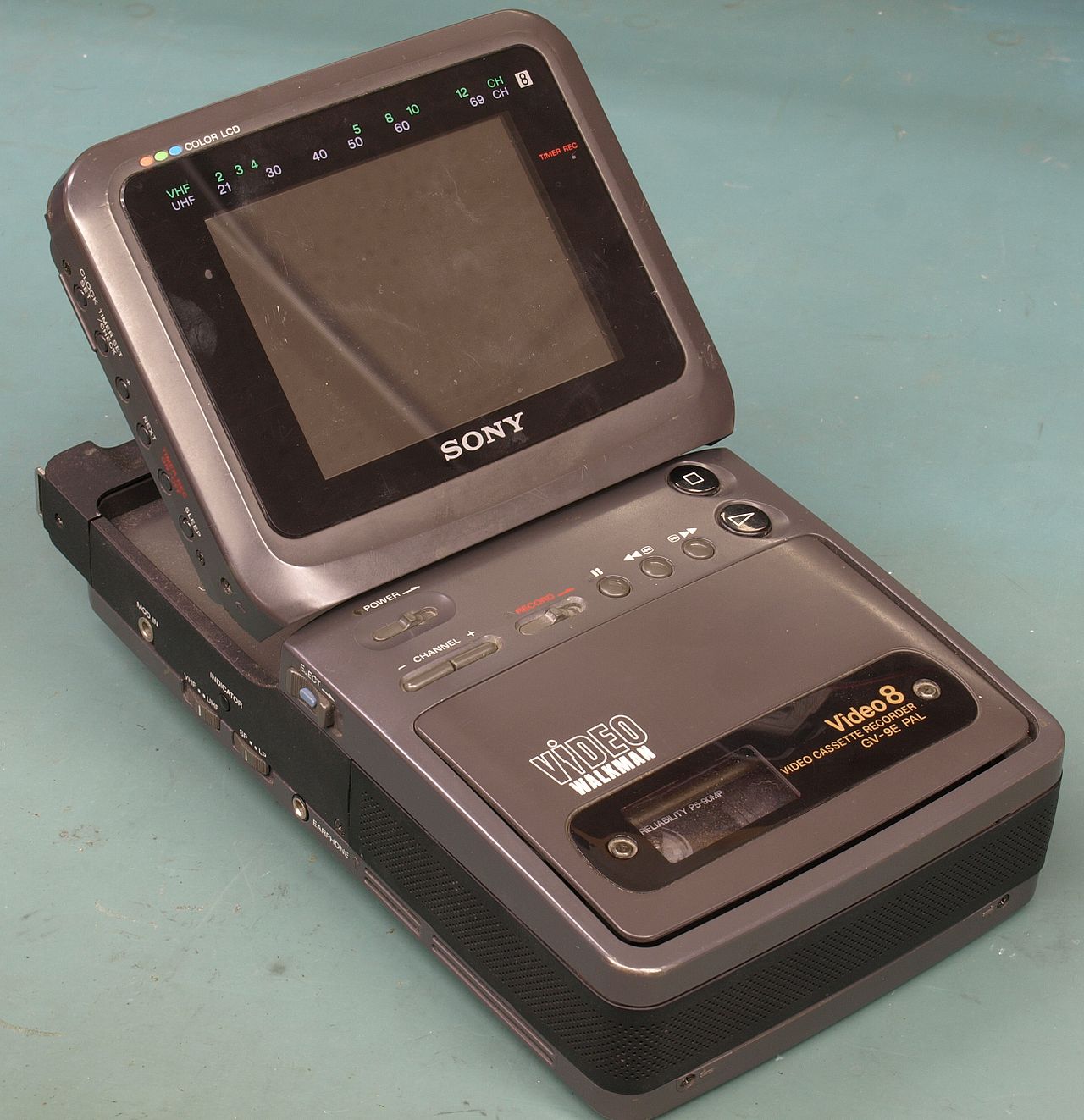
A real breakthrough occurred in 1998 when Panasonic introduced a system that allowed films to be started at any time, paused, and rewound. This marked the beginning of the video-on-demand era. In-flight entertainment became fully digital in 2003 with the release of the Panasonic eFX system.
This format—a personal screen with the ability to choose content independently—became commonplace for passengers worldwide. However, over time, built-in systems began to give way to smartphones, tablets, and laptops.
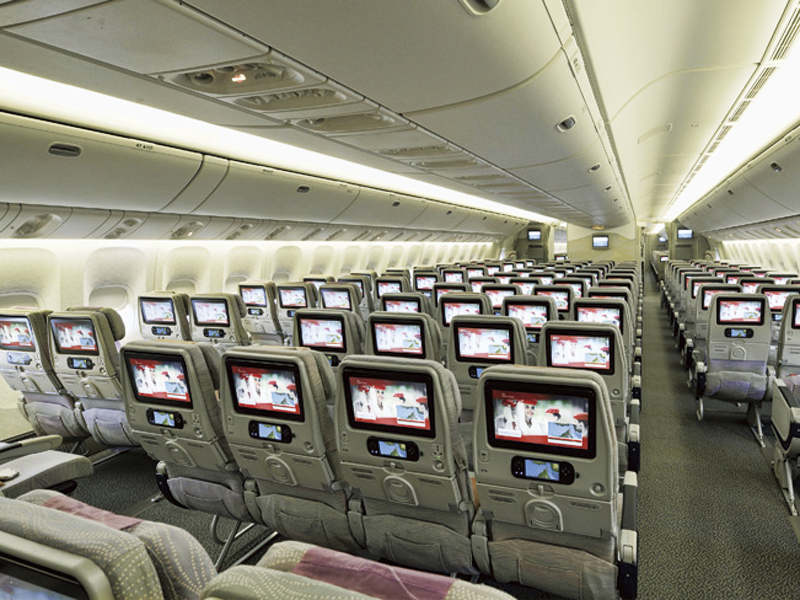
Instead of installing expensive screens, airlines are increasingly deploying local wireless networks through which passengers can access movies and music on their own devices. Condor was one of the first to implement this model in 2011, and it was subsequently adopted by major global carriers.
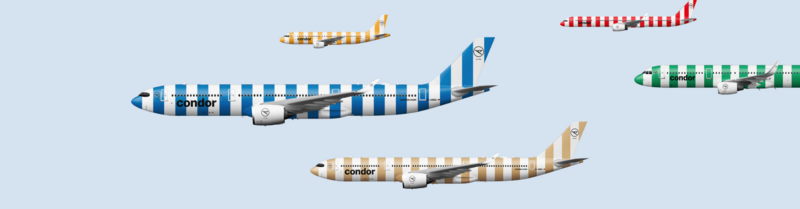
This approach reduces costs, simplifies maintenance, and enhances passenger convenience.
In the Russian market, a similar solution is offered by the "Etbox" hardware and software complex, which provides access to a library of films, music, games, and electronic magazines.